


Central and Southern Real Estate &
Their Communities
Central and Southern Real Estate & Their Communities
Down Payments 101: Everything You Need to Know

Buying a home is one of the most exciting, and sometimes overwhelming, milestones in life. Between browsing listings, talking to lenders, and dreaming about decorating, there’s one key topic that always comes up: the down payment.
You’ve probably heard the term a hundred times, but what does it really mean? How much do you need? And where does that money actually go?
Let’s break it down in simple terms.
💲What Exactly Is a Down Payment?
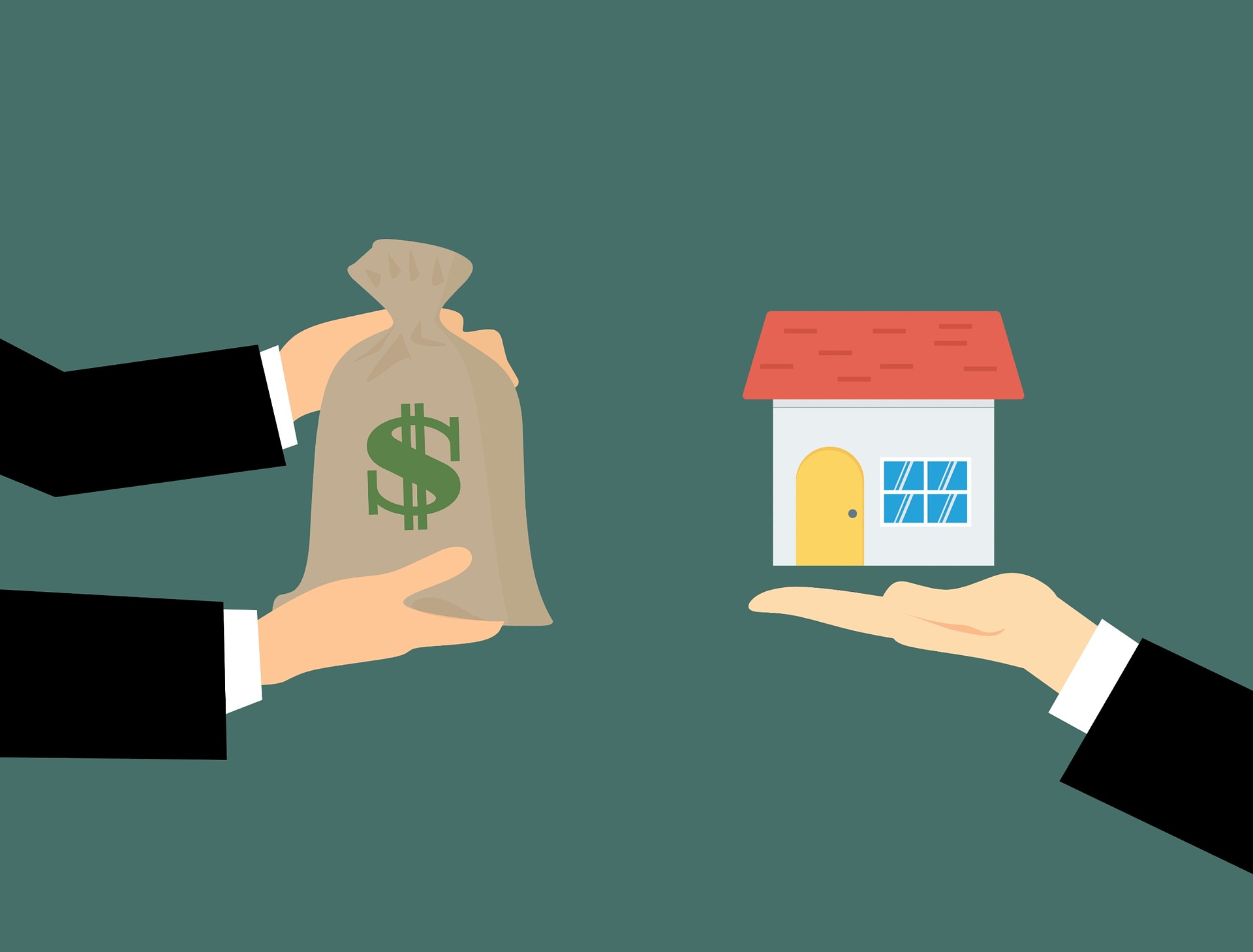
A down payment is the amount of money you pay upfront when purchasing a home. It’s your share of the home’s price - the part you pay right away - while your mortgage covers the rest.
For example, if you’re buying a $500,000 home and put down $50,000, that’s a 10% down payment. Your mortgage would then cover the remaining $450,000.
In short: it’s your financial “stake” in the home.
💲Why the Down Payment Matters
Your down payment isn’t just about getting the keys — it affects your entire home-buying journey.
Here’s why it’s important:
It reduces your loan amount. The more you put down, the less you borrow and the smaller your monthly payments.
It can lower your interest rate. Lenders often offer better rates to buyers who invest more upfront.
It shows financial stability. A solid down payment signals to lenders that you’re serious and financially responsible.
It can help you avoid extra costs. In Canada, for example, putting down at least 20% can help you avoid paying mortgage default insurance.
💲How Much Do You Need for a Down Payment in Canada?
In Canada, the minimum down payment depends on the price of the home:
🏡 5% for homes up to $500,000
🏡 10% on the portion between $500,000 and $999,999
🏡 20% for homes priced $1 million or more
For example, if you’re buying a $700,000 home:
You’ll need 5% of the first $500,000 ($25,000)
Plus 10% of the remaining $200,000 ($20,000)
For a total of $45,000 down.
💲What Is Mortgage Default Insurance?
If your down payment is less than 20%, lenders require you to buy mortgage default insurance (sometimes called CMHC insurance).
This protects the lender — not you — if you’re unable to make your mortgage payments. The premium is added to your mortgage amount, so you don’t have to pay it upfront.
It’s completely normal for first-time buyers to have this insurance, especially in today’s housing market!
💲Where Can Your Down Payment Come From?
You’ve got a few options when it comes to funding your down payment:
Personal savings (the most common source)
RRSP withdrawal through Canada’s Home Buyers’ Plan (HBP) — you can withdraw up to $60,000 tax-free to buy your first home
Gifted funds from an immediate family member (as long as they provide a signed letter stating it’s a gift, not a loan)
Proceeds from selling another property
The key is to keep records — lenders will ask to see where the funds came from.
💲Tips for Saving for Your Down Payment
Saving for a down payment can feel like climbing a mountain, but every bit counts. Try these strategies:
✅ Set up automatic transfers into a “house fund” account
✅ Cut back on non-essential spending (even small changes add up)
✅ Put bonuses, tax refunds, or side gig earnings directly into savings
✅ Take advantage of first-time home buyer programs and incentives
Consistency is key — even small steps get you closer to the front door of your new home.
Your down payment is the foundation of your home-buying journey. It’s your investment in your future home, and in yourself.
Whether you’re saving up your first few thousand or getting ready to write that deposit cheque, understanding how down payments work helps you plan with confidence.
So, take it one step at a time, keep your goal in sight, and before you know it, you’ll be turning the key to a place that’s all your own.

